The Sofa I Moved Nine Times in One Weekend
I want to start with a confession that my partner found both admirable and deeply irritating in equal measure.
When we moved into our current apartment — a living room that measures approximately 12 by 14 feet, with a front door on one short wall, a window on the opposite short wall, a doorway to the kitchen on one long wall, and a radiator on the other long wall at the most inconvenient possible position — I moved the sofa nine times over the course of a single weekend before I found the placement that worked.
Not nine small adjustments. Nine genuinely different configurations. Against the long wall. Against the short wall under the window. Floating in the center, facing the kitchen doorway. Floating at an angle, which my partner described as “chaotic” and which I defended as “dynamic” before admitting she was right. Perpendicular to the window. Parallel to the radiator but offset. The configuration that required walking around the sofa to reach the kitchen, which lasted about four hours, before the practical inconvenience became undeniable. Two configurations that I was convinced were correct for approximately forty-five minutes each before something revealed them as wrong.
The ninth position was the one. It was also, I should note, not dramatically different from the third position — but the differences were specific and mattered. Six inches further from the wall. Slightly more centered on the room’s longest axis. Angled three degrees toward the window rather than parallel to the wall.
I tell this story not to suggest that finding the right sofa placement requires nine attempts. It might require two. It might require one if you understand the principles well enough before you start. But I tell it because those nine attempts taught me more about why sofa placement matters — and what specifically makes it right or wrong — than anything I’ve read about it since.
This guide is what I learned from nine moves and the two years of living with the result.
Why the Sofa Matters More Than Any Other Piece
The sofa is not just the largest piece of furniture in most living rooms. It is the piece that determines the logic of every other piece around it.
Where the sofa goes, the coffee table follows. Where the coffee table goes, the seating arrangement forms. Where the seating arrangement forms, the room’s traffic paths establish themselves. Where the traffic paths go, the remaining furniture positions itself. Where the remaining furniture sits, the lighting either works or doesn’t.
Get the sofa wrong and the entire room is wrong, regardless of how well every other decision is made. Get it right and the room has a logic that makes every subsequent decision easier — because each piece has a natural relationship to the one that came before it.
I didn’t understand this on the first move. I put the sofa against the long wall because that’s where sofas go in small living rooms — against the longest available wall, clearing the center of the room, making space. The room immediately felt like a furniture showroom: every piece against a wall, nothing in conversation with anything else, the center of the room a purposeless void.
I didn’t understand it fully until the ninth move. By then I understood that the sofa isn’t positioned in response to the room — it positions the room. Everything else responds to it. The sofa is the decision from which all other decisions follow, and it deserves the kind of attention — the nine-move kind, if necessary — that reflects that priority.
The Principle Most People Violate First
Before any specific placement options, there is one principle that governs sofa placement in small living rooms more than any other, and it is the principle that most people violate first and most consistently:
The sofa should not be against the wall.
I know. I know this sounds counterintuitive. I know you’ve heard it before and found it hard to believe, or tried it briefly and felt the floating sofa looked wrong and moved it back. I believed it for years. My first move in that new apartment was against the wall, for exactly the reasons everyone’s first move is against the wall: it seems to open up the center of the room, it seems more spatially efficient, it seems like the thing you do with a sofa in a small room.
It is wrong in almost every situation, and here is the specific reason: a sofa against a wall removes the sofa from the room’s conversation. The seating is pushed to the perimeter, the center is empty, and the room reads not as a living room but as a holding area — furniture stored around the edges of a space that doesn’t quite know what it’s for.
Floating the sofa — pulling it away from the wall by 12 to 18 inches, or more — does something counterintuitive: it makes the room feel larger, not smaller. The sofa becomes the room’s anchor rather than the room’s edge. The gap between the sofa back and the wall creates a sense of depth that the eye reads as space. The room has layers. The furniture looks placed rather than stored.
The practical counterargument everyone makes: “But I don’t have 12 inches to spare.” In most 12-by-14-foot living rooms, you do — because the 12 inches gained by pushing the sofa against the wall is not usable floor space. It is a narrow corridor behind the sofa that nobody walks through and that produces no functional benefit. Converting that corridor into a visible gap behind a floating sofa is a net gain, not a loss.
I moved the sofa off the wall on the third attempt. I moved it back on the fourth because I panicked about the lost space. By the ninth attempt I had accepted the floating position as correct and the room has not changed since.
The Eight Placement Options (And When Each Works)

Small living rooms, despite their constraints, offer more sofa placement options than most people explore. These are the eight configurations I have tried, researched, or observed working in real rooms — with honest assessments of when each works and when it doesn’t.
Option 1: Floating Centered on the Main Wall
What it is: The sofa floated 12 to 18 inches from the main wall — the longest wall, or the wall opposite the room’s primary entry — centered on that wall with balanced space on either side.
Why it works: This is the configuration that produces the most settled, most complete-feeling living room in the widest variety of small rectangular rooms. The sofa reads as anchored and intentional. The room has a clear center. Traffic flows naturally around both ends of the sofa. The gap behind the sofa creates depth without sacrificing function.
What it requires: A main wall long enough to accommodate the sofa with meaningful space — at least 12 inches — on both sides. A sofa sized correctly for the room (see the sizing section below). Clearance between the sofa and the coffee table of 14 to 18 inches, and between the coffee table and the opposite seating or wall of at least 18 inches.
When it doesn’t work: In rooms where the main wall has a doorway, window, or radiator that prevents centering. In rooms where the main wall is shorter than the sofa plus a minimum of 6 inches on each side. In rooms with such unusual proportions that centered placement produces awkward relationships with the room’s other architectural features.
This was my ninth position. Floating, centered on the long wall, 14 inches from the wall. Six inches to the left of where I’d had it on the third attempt. The room has worked ever since.
Option 2: Perpendicular to the Window Wall
What it is: The sofa positioned with one end toward the window and the sofa running perpendicular to the window wall, floating in the room rather than against any wall.
Why it works: In rooms where the window is on a short wall — as in my current apartment — perpendicular placement creates a dynamic diagonal sightline from the entrance that makes the room feel longer and more complex than it is. It also maximizes natural light distribution: the window light hits the side of the sofa and the room rather than being blocked by a sofa placed parallel to the window wall.
This is my second-favorite configuration and the one I returned to several times during the nine moves before landing on centered placement. It is particularly effective in rooms where the window view is worth preserving — perpendicular placement means the window view is visible from the primary seating position, which centered placement on a side wall often blocks.
When it doesn’t work: In rooms too narrow to accommodate a sofa running across the room’s width without blocking traffic. In rooms where the perpendicular placement creates an awkward relationship with the doorway — specifically, situations where someone entering the room is immediately confronted with the sofa’s end rather than its face.
Option 3: The L-Shape or Sectional Position
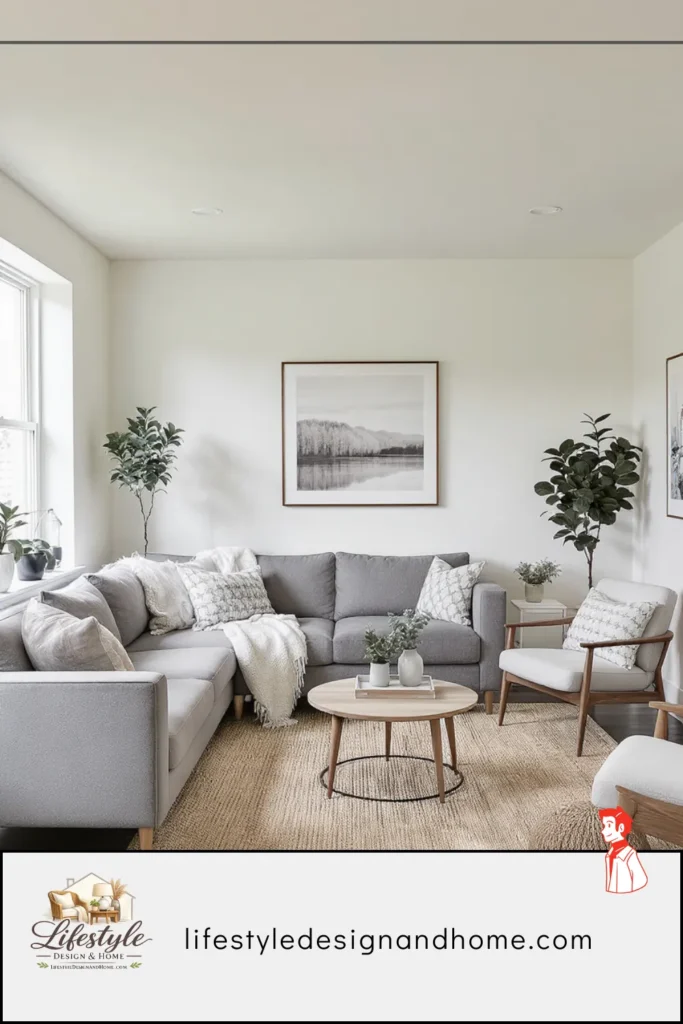
What it is: A sectional sofa or L-shaped configuration using the sofa to create its own walls within the room, defining the living zone by the shape of the seating rather than by the room’s architecture.
Why it works: In very small rooms, in studio apartments, and in spaces that need to define a living zone within a larger multipurpose area, an L-shaped sectional does something no straight sofa can do: it creates edges. The room doesn’t need walls to know where the living area is because the sofa defines it. The L creates a sense of enclosure and intimacy that feels designed rather than default.
I used a small L-shaped sectional in a studio apartment for three years and it was, in retrospect, exactly right for the space. The L defined the living zone, created storage-friendly space in the corner behind it, and provided significantly more seating than a straight sofa of the same footprint.
When it doesn’t work: When the sectional is too large for the room — the single most consistent sectional mistake, and one worth being very specific about. A sectional that fills the room leaves no space for traffic, no room for other furniture, and creates a claustrophobic quality despite the generous seating. Measure the sectional’s exact dimensions against the room’s actual available space, accounting for door swings and traffic paths, before committing.
The measurement I use: with the sectional in position, there should be at least 36 inches of clear traffic path from the room’s entrance to any other exit. At least 14 to 18 inches between the sectional’s longest section and the coffee table. At least 18 inches between any end of the sectional and the nearest wall for comfortable movement.
Option 4: Angled Placement
What it is: The sofa placed at a 45-degree angle to the room’s walls, floating diagonally in the room rather than parallel to any surface.
Why it works: In rooms with very difficult geometry — nearly square rooms, rooms with doorways in corners, rooms where every parallel placement creates a problem of some kind — diagonal placement can resolve multiple conflicts simultaneously. It creates diagonal sight lines that make the room feel longer than it is. It turns the corners behind the sofa into defined zones for lamps or plants rather than awkward dead spaces. It adds a dynamic energy that straight placements lack.
I tried this on the fourth attempt in my current apartment. My partner called it chaotic. She was right for this specific room, but I’ve seen it work beautifully in rooms with the right geometry — particularly nearly square rooms where the diagonal creates the longest possible sight line across the space.
When it doesn’t work: In rooms where diagonal placement creates traffic problems — where the angled sofa cuts off natural paths through the room. In rooms where the angular placement fights with predominantly rectangular architectural features rather than resolving their tension. In rooms where partners describe it as chaotic.
Option 5: Facing the Room’s Focal Point From a Distance
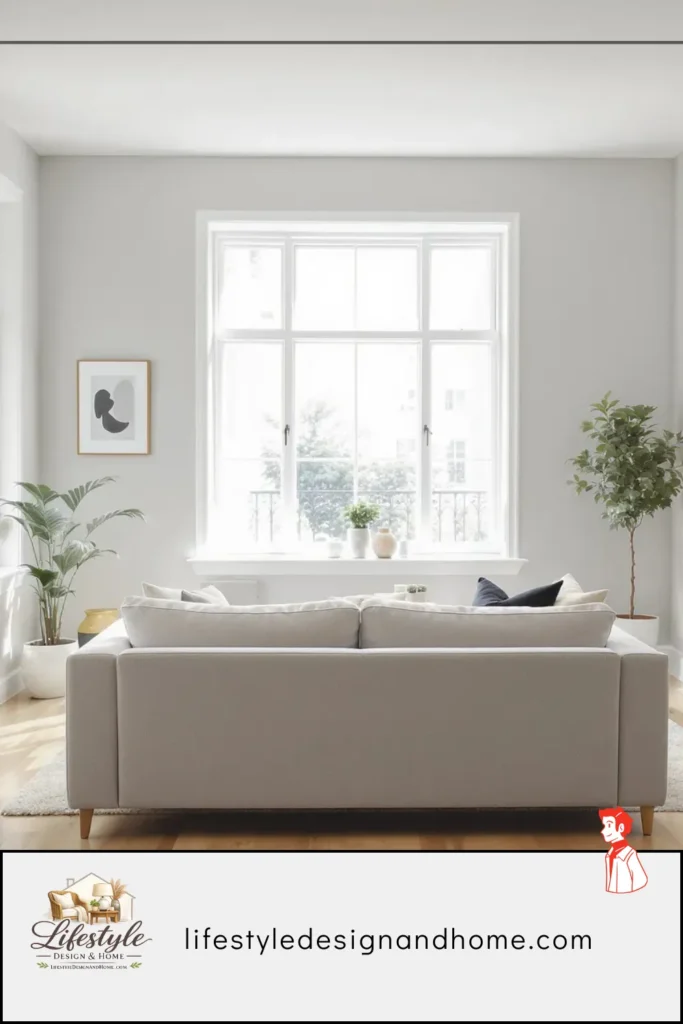
What it is: The sofa placed facing the room’s primary focal point — fireplace, television, significant window — from a distance determined by the focal point’s requirements rather than by the sofa’s relationship to the walls.
Why it works: The focal point should be the room’s organizing principle. The sofa placed in direct response to the focal point — at the correct viewing distance, at the correct angle, centered on the focal point’s axis — creates a room with clear logic. The furniture is where it is because the focal point called it there.
In rooms with a fireplace, this placement is nearly always the right one. The fireplace has been the organizing feature of the living room for centuries and the sofa placed to face it is responding to that logic. In rooms with a television, the placement requires attention to viewing distance — the sofa should be between 1.5 and 2.5 times the screen diagonal away from the screen, which in a small room often means floating the sofa closer to the center than feels comfortable before attempting it.
When it doesn’t work: When the focal point is on a wall that creates awkward placement relationships with the room’s entry, its other architectural features, or its traffic paths. When there is no clear focal point and the sofa is “facing” a blank wall by default.
Option 6: Back to the Window
What it is: The sofa with its back to the window, facing into the room and toward the wall opposite the window.
Why it works: In rooms where the primary activities — watching television, facing a fireplace, engaging in conversation with seating across the room — happen on the wall opposite the window, placing the sofa with its back to the window is often the most functional solution. The sofa faces the activity. The window is behind the occupants and provides natural light over their shoulders for daytime use.
This is a more common placement than people give it credit for, and it works well in rooms where the window wall is the narrow wall opposite the room’s entrance. The sofa becomes the visual separator between the entry zone and the living zone — you walk in, pass alongside or behind the sofa, and enter the living space.
When it doesn’t work: When the window receives afternoon sun from the west and creates glare on the screens or surfaces the sofa occupants are facing. When the window is very large and the visual quality of the room is meaningfully diminished by blocking it with a sofa back. When the room is small enough that placing the sofa against or near the window wall removes the room’s most valuable architectural feature from the living experience.
Option 7: The Room Divider Position
What it is: The sofa used as a spatial divider in an open-plan space or studio apartment, with its back defining one zone and its face defining another.
Why it works: In studios and open-plan apartments where the living room shares space with a dining area, home office, or sleeping zone, the sofa can serve as an architectural element rather than just furniture — its back creating a visual and partial physical boundary between zones. The sofa doesn’t need a wall behind it. It creates its own wall.
I’ve used this in two different studio apartments, and both times the room divider sofa was the decision that made the studio feel like it had distinct zones rather than a single multi-purpose chaos. The sofa back facing the sleeping area or office zone signals that those areas are separate, even without physical walls.
When it doesn’t work: In rooms where the sofa-as-divider creates traffic problems — where the sofa back forces awkward paths through the space. In rooms too small to absorb a floating sofa in the middle without making both sides feel inadequate. In rooms with unusual traffic patterns that the divider position would interrupt.
Option 8: The Single Wall Position (When It’s Genuinely the Only Option)
What it is: The sofa against a wall — the configuration I’ve argued against throughout this article, used deliberately and with intention when genuine constraints make floating impossible.
Why it sometimes works: There are rooms where floating genuinely is not possible. A living room 9 feet wide with a doorway on one long wall and a radiator on the other cannot float a sofa of any reasonable size without blocking either the door, the radiator, or both. In these rooms, the sofa against the wall is not the wrong choice — it is the only choice, and it can be made well.
Making it well means: accepting that the sofa is against the wall and designing the rest of the room to compensate. Bringing the coffee table closer than standard guidance suggests — 12 inches rather than 16, because the room needs the seating arrangement to feel cohesive rather than spread. Putting the emphasis on what faces the sofa: the wall opposite should do work, should have a focal point, should justify the sofa’s position facing it. And using lighting on the sofa wall — behind the sofa at baseboard level, or a wall sconce above it — to create the depth that the floating position would have created with physical space.
When it doesn’t work: When the room actually has room to float and the against-the-wall position is chosen from habit or instinct rather than genuine constraint. When the sofa-against-wall position creates a room where the center is an empty void rather than an organized living space.
Sizing the Sofa Correctly Before Placement Begins
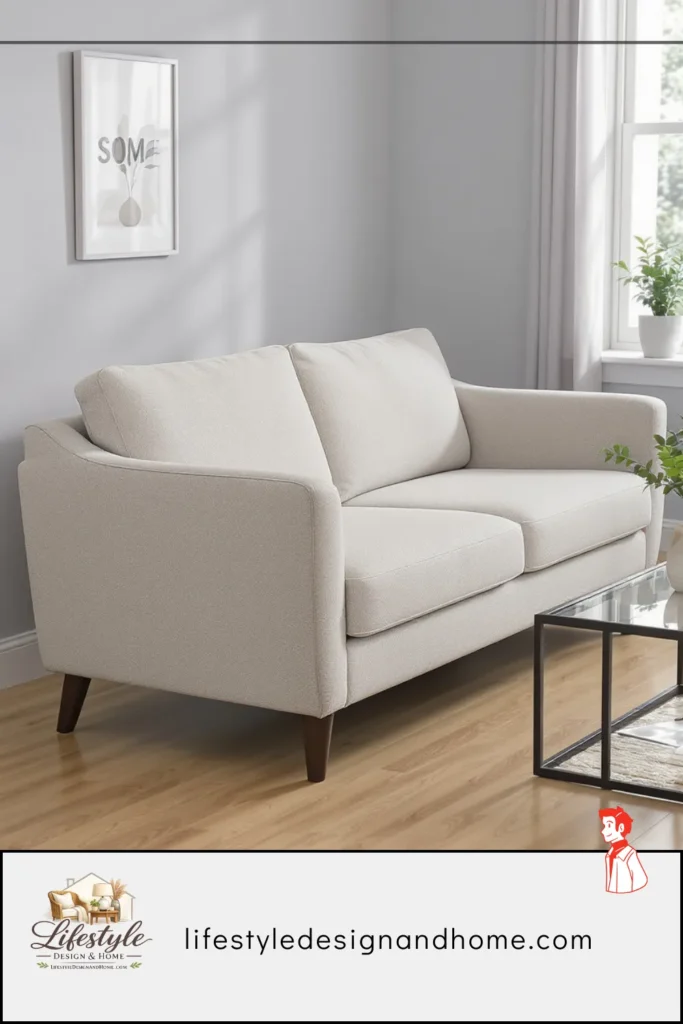
The best placement decision in the world is undermined by a sofa that’s the wrong size for the room, and most sofa sizing mistakes in small living rooms go in the same direction: too large.
I’ve been in small living rooms where the sofa was so large that no placement configuration could produce a functional room. The sofa could go in the room but the room couldn’t be used once it was there. This is a sofa that is too large for the room, full stop, and the solution is a different sofa rather than a different placement.
The sizing guidelines I use:
The sofa should be no more than two-thirds of the room’s shorter dimension in length. In a 12-by-14-foot room, that’s no more than 8 feet — 96 inches — of sofa length. Many standard sofas are 84 to 90 inches, which fits this guideline comfortably. Sectionals need to be measured on both sections: the length of the longest section should fit this guideline, and the total footprint of both sections needs to be evaluated against the room’s total floor plan.
The sofa depth — front to back — is often the dimension that creates problems in small rooms. A sofa 38 to 40 inches deep takes significantly more floor space than a sofa 32 to 34 inches deep and, in a 12-foot room, that difference is meaningful. In small rooms, a slightly shallower sofa is almost always worth the tradeoff in comfort — you gain functional floor space and the ability to float the sofa with adequate clearance.
Before buying, I now tape out the sofa’s exact footprint on the floor of the room — including the coffee table at the correct distance — and live with that configuration for a day before ordering. This test has saved me from two sofa purchases that would have been wrong and confirmed one that was right. Twenty minutes of taping is worth significantly more than the hassle of returning a sofa.
Traffic Flow: The Constraint That Overrides Everything Else
A sofa placement that looks beautiful on paper and works perfectly in every other respect is wrong if it creates unacceptable traffic flow. And traffic flow is the constraint that overrides aesthetic preferences, design principles, and even the nine-move determination to find the ideal position.
The minimum clearances that no placement should violate:
36 inches of clear path from the room’s primary entrance to its primary exit or to the most-used adjacent room. This is the minimum comfortable walking width for a single person. In practice I prefer 42 inches where possible.
30 inches of clearance around the coffee table for movement from seated to standing without furniture contact. Less than this and every person who stands up will be performing a choreographed sofa-exit maneuver rather than simply standing.
24 inches of clearance between the sofa end and the nearest wall or furniture, for comfortable navigation around the sofa’s ends. Less than this creates the sideways-shuffle exit that makes rooms feel smaller and more cramped than their actual dimensions.
The door swing arc completely clear. Whatever the sofa placement, every door in the room should be fully openable without contacting the sofa or its adjacent furniture. This sounds obvious. I violated it on my fifth attempt and didn’t notice until I tried to fully open the kitchen doorway and found the sofa arm in the way.
If a placement that meets every other criterion violates one of these traffic minimums, the placement is wrong and needs modification. Not modification by reducing the clearance requirement — modification of the placement.
The Placement Test Before You Commit
Before declaring any sofa position final — before arranging the remaining furniture around it, before ordering the coffee table, before deciding the placement is done — I do a placement test that has saved me from settling for wrong positions more times than I can count.
The physical use test: Sit on the sofa in its new position. Sit in every position on the sofa — left end, center, right end. From each position, note: what do you see? Is there a focal point? Is there something on the wall you’re facing that justifies being faced? Is the view from the sofa the view you want for the hours you’ll spend there?
Then stand up from the sofa — stand up the way you actually stand up, not carefully and deliberately. Do you contact the coffee table? Do you have to navigate around anything? Does the space in front of you feel open enough for the movement you make when you’re done sitting?
Then walk through the room’s primary traffic paths. From the front door to the kitchen. From the kitchen to the sofa. From the sofa to the window. Are these paths clear? Are they the 36 inches minimum? Does anything require a sideways movement or a conscious routing around an obstacle?
The 24-hour test: If the physical use test passes, live with the placement for 24 hours before arranging anything else around it. Use the sofa normally. Watch television from it. Have a meal. Read. Walk through the room at different times of day and different levels of consciousness — the early morning, the end of a long day, the casual transit between kitchen and living room.
The 24-hour test reveals things the physical use test misses. The sofa position that looks right in the daytime but creates a frustrating shadow in the evening. The traffic path that works fine when you’re paying attention and becomes an obstacle when you’re on autopilot. The sightline from the front door that feels fine in the afternoon and confrontational at night.
I skipped the 24-hour test on three of my nine attempts and regretted all three. I did it properly on the ninth and haven’t moved the sofa